Miriyam Aouragh writes for Time on what the Ceuta crossings revealed
Professor Miriyam Aouragh has written for Time on the mass movement of people towards the Spanish enclave of Ceuta over the summer, and on what the episode exposes about the relationship between Europe and North Africa.
In late July and early August, an estimated 72,000 people from Morocco, among them many minors, walked, swam and ran towards the fence. The article takes issue with the way the event was read almost immediately as a geopolitical manoeuvre. Certain narratives, Aouragh writes, were offered without any evidence and sought to portray the migrants as pawns in political games, disregarding entirely what drives and motivates people to leave home on such perilous journeys.
Against that reading, the piece sets out the conditions that actually produce such movement: inequality, repression, unemployment and underemployment, and the narrowing of prospects for young Moroccans. It argues that border enforcement on either side of the Mediterranean does not stop migration but redirects it into more dangerous routes, and that the waters of the Atlantic and the Mediterranean now hold the remains of those who died attempting them. The demand for cheap migrant labour, the article notes, is structural to the European economies that treat human mobility as a threat to be managed rather than a reality to be addressed humanely.
Read the full article: https://time.com/article/2026/08/21/spain-migrants-europe-morocco-border-africa/
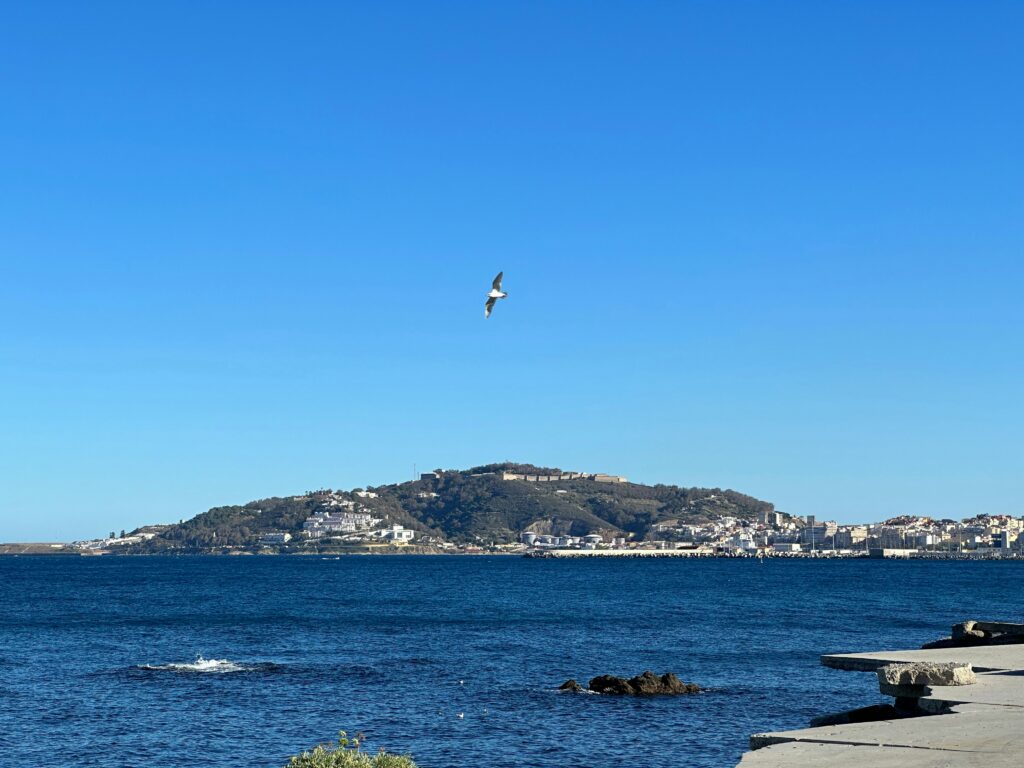
Photo by David Valverde on Unsplash