‘We have no algorithms!’: How DIY online radio keeps music in human hands
“My name is Tony Morris and I’m going to play you some songs I like.” Broadcasting on Glasgow’s Clyde Built Radio, Morris introduces his selections with a mixture of music history and personal reflections. For CAMRI’s Paul Rekret and Henry Ivry of the University of Glasgow, the invitation to spend time with someone else’s taste is part of what distinguishes DIY online radio from a personalised playlist.
In a new article in the European Journal of Cultural Studies, Rekret and Ivry draw on interviews with founders and managers of UK stations to explore what they call ‘post-platform media’. The term does not mean that these stations have moved beyond platforms. A station might promote a show on Instagram, make it available for playback on SoundCloud and keep its archive on Google Drive. What remains in the hands of the people making the radio is the decision about what deserves airtime.
For the listener, that distinction is especially apparent in a live broadcast. One manager described insisting that DJs speak on air: hearing a presenter’s voice matters when someone has chosen to tune in at that particular moment. The relationships built around a programme can also extend well beyond the broadcast. A listener can become a presenter, while resident DJs play at local events to raise money to keep their station on air. Rekret and Ivry describe this exchange as a gift economy, sustained by people giving their time and sharing music they want others to hear.
Such independence has limits. During the research, one station temporarily stopped broadcasting after a platform changed its terms of service. The incident brings a central tension into focus: a station can decide what to play without being able to guarantee that listeners will hear it, or that its archive will remain available.
For Rekret and Ivry, the political significance of DIY radio lies less in the views expressed on air than in how people organise the work of making it. Their account brings media studies, cultural studies and cultural industries research into conversation around a question that reaches beyond radio: how much autonomy can people retain over the culture they make when the means of reaching an audience belong to somebody else?
The research forms part of Archiving Community, a project funded by the Arts and Humanities Research Council. Read the open-access article, ‘“We have no algorithms!” DIY online radio as post-platform media’.
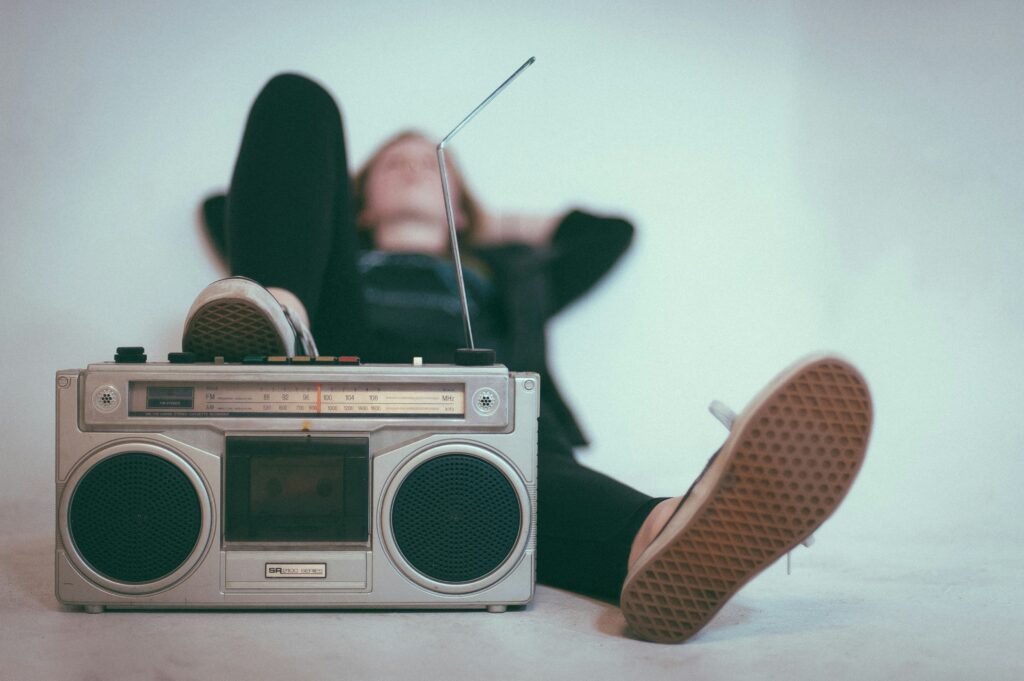
Photo by Eric Nopanen on Unsplash