
Doug Specht publishes on how a landmark verdict against Greenpeace could reshape the risks facing climate activists worldwide.
In the piece, titled “How a verdict against Greenpeace threatens climate activism” and published on 2 March 2026, Specht analyses a US$345 million judgment handed down in North Dakota against three Greenpeace entities over their support for protests against the Dakota Access Pipeline. He explains how the case, brought by pipeline operator Energy Transfer, frames Greenpeace’s campaigning as defamation, conspiracy and interference with business, and why Greenpeace and free-expression groups view it as a classic SLAPP – a strategic lawsuit against public participation – designed to chill dissent rather than resolve genuine legal grievances.
Specht sets the ruling in the wider context of uneven anti‑SLAPP protections in the United States and emerging safeguards in the European Union, arguing that the decision raises profound questions about who can safely challenge fossil fuel infrastructure and on what terms. He warns that the scale of the damages sought risks collapsing the distinction between peaceful advocacy, communications support and unlawful acts on the ground, with potential knock‑on effects for NGOs, grassroots organisations, Indigenous communities, journalists and academics working on environmental justice.
Reflecting on the surge of “spite philanthropy” towards Greenpeace sparked by the HBO series Succession, the article calls for renewed public solidarity and investment in legal infrastructure to defend environmental movements from retaliatory litigation. Specht concludes that the Energy Transfer–Greenpeace case could either become a template for punishing environmental advocacy or a catalyst for stronger protections, depending on how courts, legislators, donors and the wider public choose to respond.
Dr Doug Specht is a Chartered Geographer, Reader in Cultural Geography and Communication, and Head of the School of Media and Communication at the University of Westminster, where his research focuses on environmental justice, human rights and the politics of knowledge production.
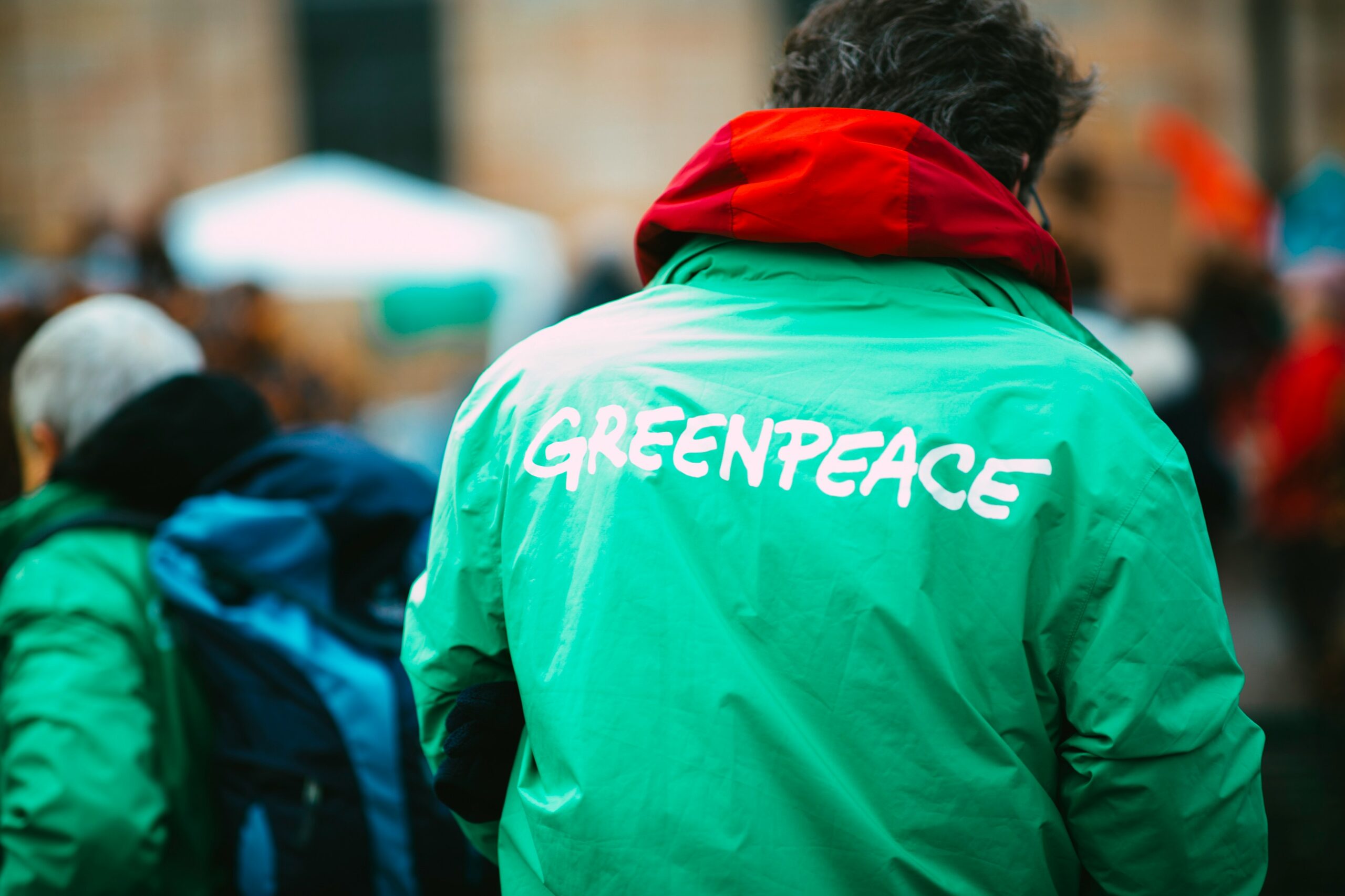
Photo by Markus Spiske on Unsplash


Professor Steven Barnett helps shape future of UK broadcasting landscape as part of DCMS Future of TV Distribution Audience working group

New HEPI report on GenAI and universities

Pieter Verdegem publishes new article on critical AI research in Sociology Compass

Paul Rekret on DIY online radio and the fight against algorithmic playlists in The Wire

Alex Sergeant offers five tips for becoming a cinephile in the age of streaming algorithms